Meta’s new artificial intelligence policy on WhatsApp is redrawing the rules for thousands of businesses worldwide. Since 15 October 2025, with the extension to all existing users by 15 January 2026, the platform has banned general-purpose artificial intelligence chatbots, forcing a radical course correction for those who had built automations based on models such as ChatGPT or equivalent systems.
What Changed with WhatsApp’s 2026 AI Policy
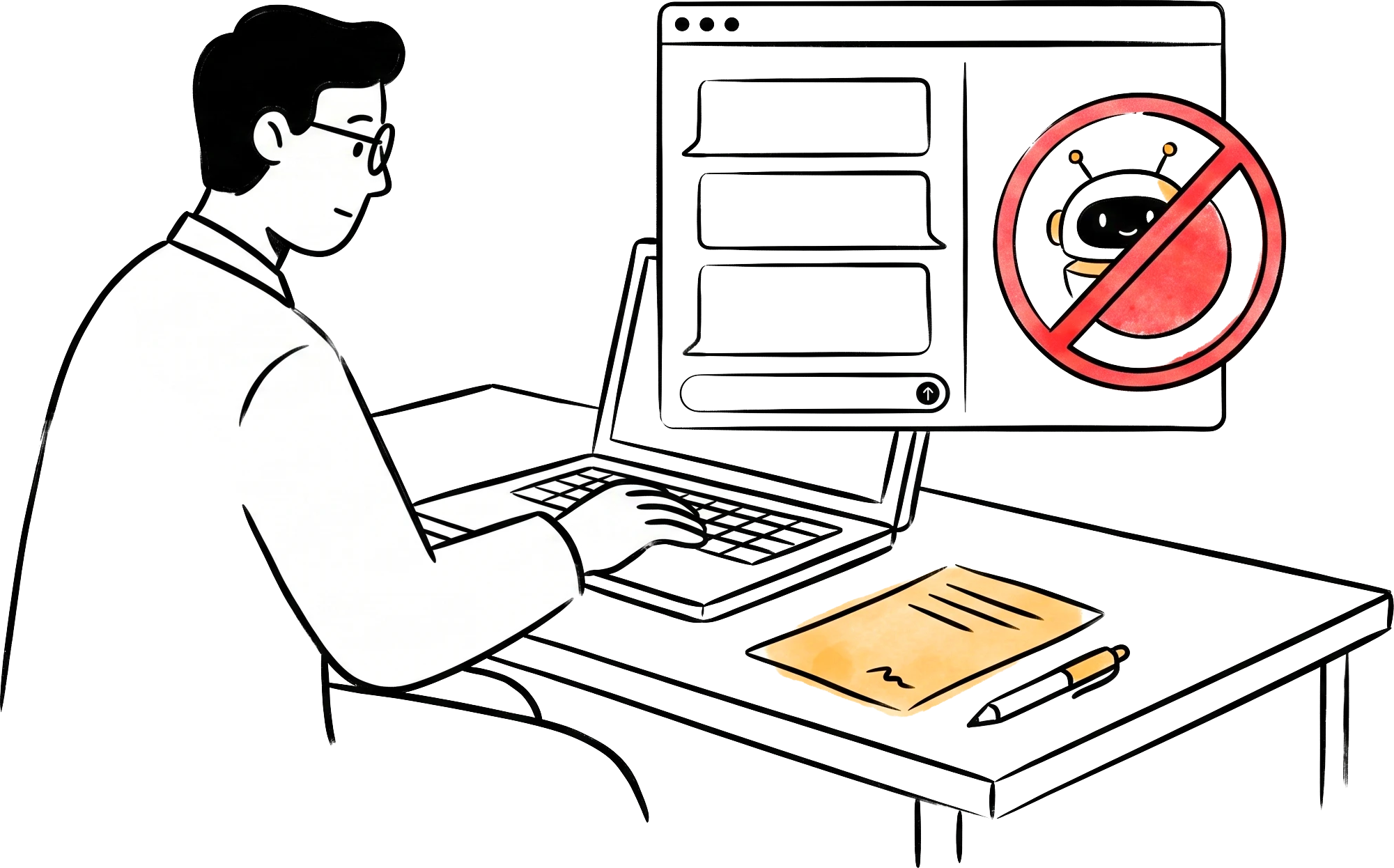
Meta updated the terms of use of the WhatsApp Business Platform with a clear objective: to shut down so-called “wrappers” of general language models — bots that use WhatsApp as a simple distribution channel to answer any question a user might ask.
The reasons behind this decision are twofold. The first concerns infrastructure load: open-domain chatbots generate very high volumes of messages without producing a direct and measurable commercial value. The second is economic: Meta’s monetisation model is based on predefined message categories (marketing, utility, service), and traffic generated by generic conversational bots is incompatible with this structure.
What Is Banned and What Is Allowed
The fundamental distinction businesses must understand is the one between banned AI assistants and compliant business automations.
The banned category includes all public chatbots that behave like generic assistants: tools that allow users to ask arbitrary questions, generate random content or interact with WhatsApp as if it were a direct interface to a language model.
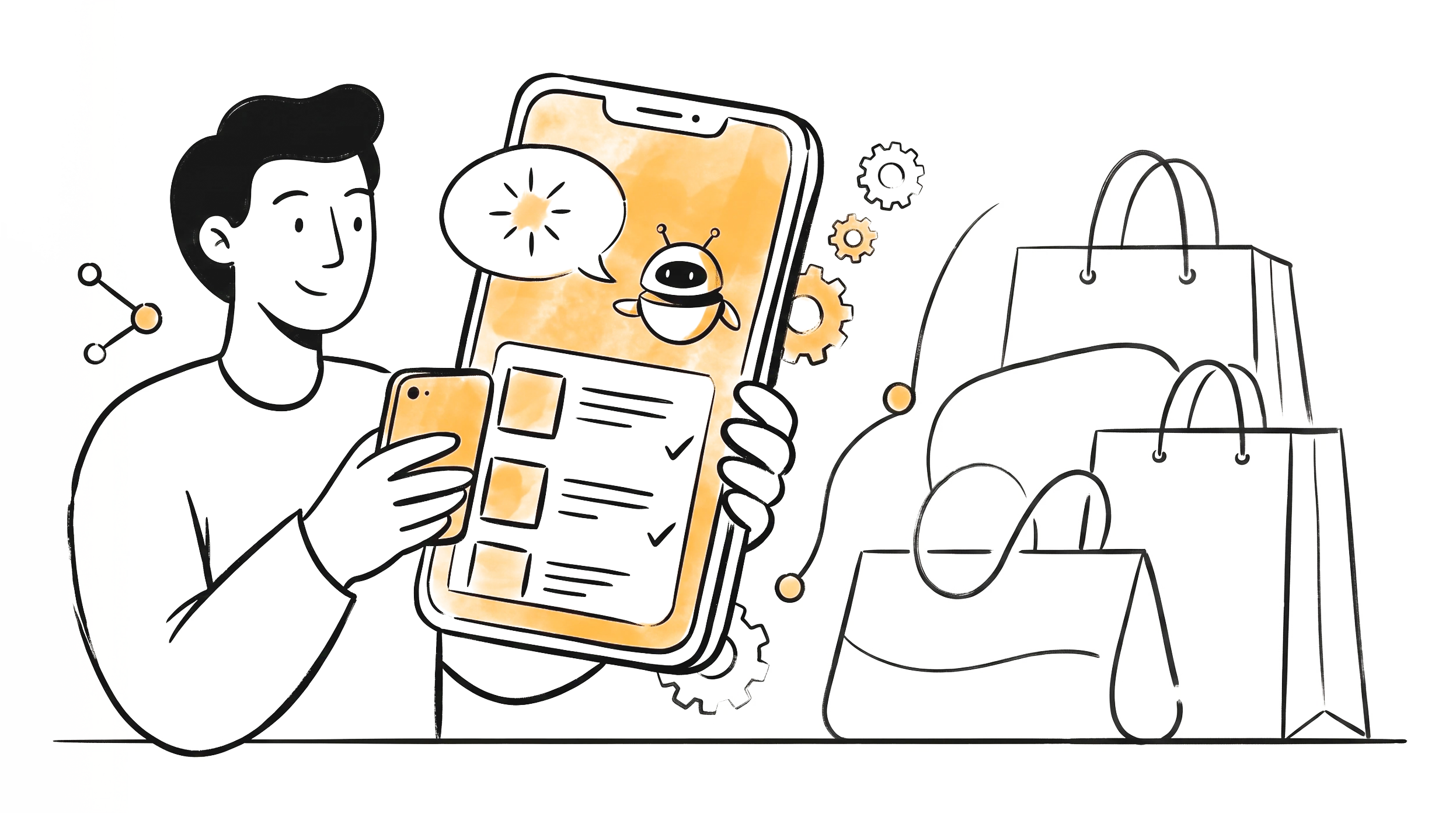
Fully compliant, on the other hand, are structured bots oriented toward specific business tasks: ticket management, booking confirmations, order status updates and lead qualification. In these cases, artificial intelligence is a tool in service of a concrete business process, not the product itself.
The Risks for Non-Compliant Businesses
Companies that continue to operate with non-compliant systems risk suspension of access to the WhatsApp Business APIs, with consequent operational disruptions and reputational damage. Added to this are potential regulatory violations related to data processing, since generic bots often transmit information to third-party language models without the necessary guarantees regarding personal data protection (GDPR and equivalent regulations).
How to Adapt in Three Steps
The compliance journey begins with an audit of AI systems currently in use: the company must verify whether it is using a generic chatbot or a system focused on defined business tasks.
The second step is restructuring the automation: workflows must be redesigned by shifting focus to processes with a measurable return on investment, such as order management, commercial qualification or customer support.
The third step is to work with an official, certified WhatsApp Business API provider — one that guarantees compliance with Meta’s guidelines, data security and operational scalability.
The New Paradigm: AI as Tool, Not as Product
The era of experimental, open chatbots on WhatsApp is over. The direction indicated by Meta is clear: artificial intelligence must be ancillary to a legitimate business service, not an autonomous product distributed through the platform. Companies that manage to adapt their architectures to this new paradigm will not only avoid penalties — they will be able to build more efficient, traceable and genuinely useful automations for their customers.
Original article: Imbrace