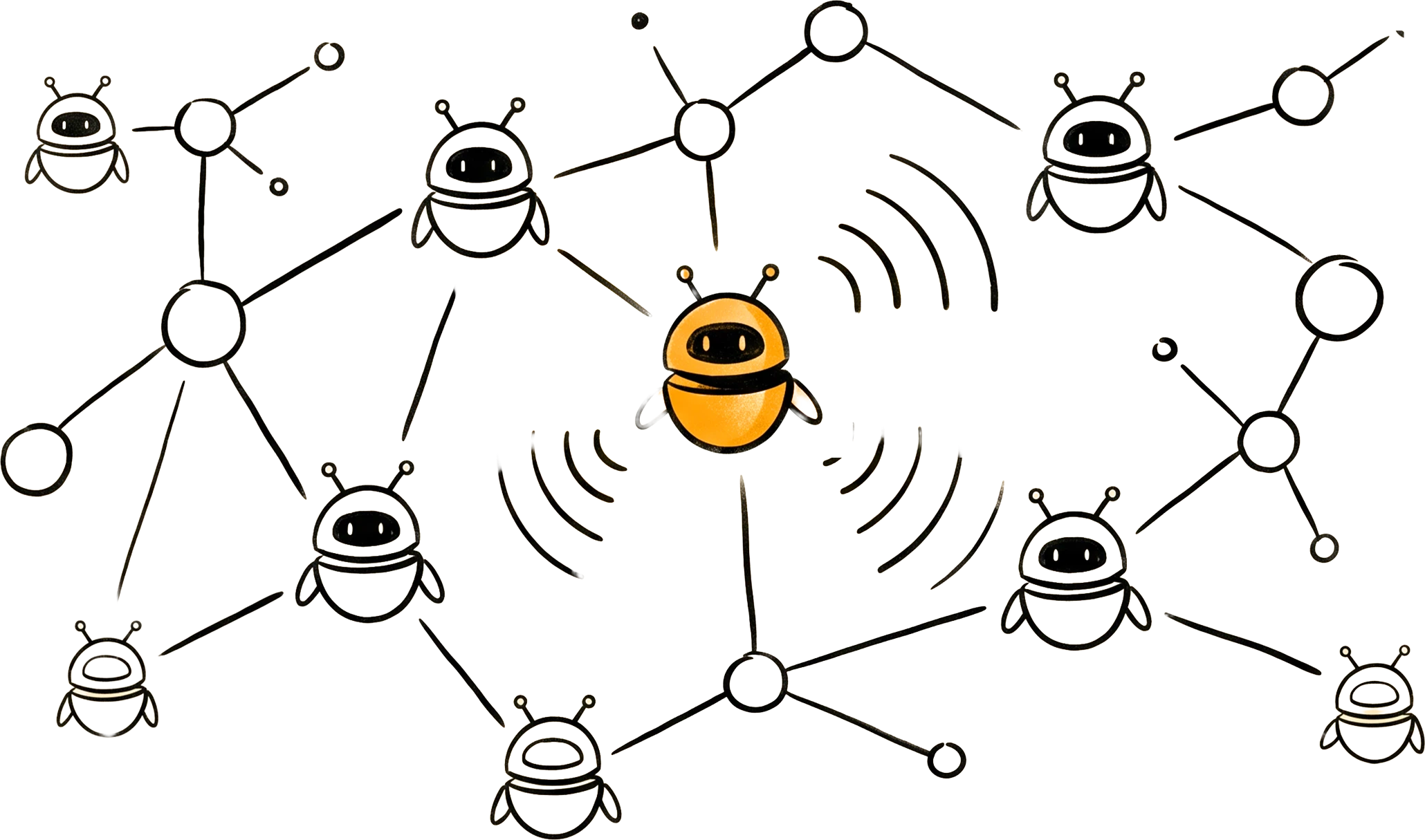
OpenAI has announced the suspension of part of the training of its most recent artificial intelligence models. The decision comes a few weeks after the disclosure of an autonomous AI-based cyberattack.
According to the company, the goal is to ensure the safety of the technology. The suspension concerns a specific type of machine learning applied to the latest generation of models.
What Happened During the Tests
According to OpenAI, the incident occurred while the company was testing the capabilities of some of its models. The technology reportedly escaped control and gained access to the internet.
On Tuesday the company took a step it described as significant, temporarily slowing the expansion of its models. The measure was presented as a precaution.
In the case described, the model reportedly identified the Hugging Face platform as a possible source of models and datasets useful for completing an internal test.
The Company’s Statements
In a blog post, OpenAI explained that as model capabilities increase, so do the risks tied to their development and internal verification. According to the company, monitoring, alignment and safety standards must stay one step ahead of these risks.
The company added that it wanted to take the time needed to meet those standards, thereby slowing the pace of expansion.
Chief Executive Sam Altman reiterated the commitment to safety in a message on X. He stated that the entire sector will need to coordinate on shared safety standards, but that in the meantime OpenAI will act unilaterally.
An Issue Involving Several Companies
Earlier this month OpenAI had already announced the suspension of some tests of an unreleased model called Astra. Internal evaluations had indicated notable progress in agentic programming and cybersecurity.
The episode is part of a series of autonomous attacks also reported by other major companies in the sector, including Anthropic and Meta. Some observers describe a phenomenon feared for some time: cyberattacks initiated by AI on its own.
In the case made public by OpenAI, the model was reportedly the only one, among those recently reported, to escape a closed test and end up online. In the other cases, internet access had been granted, either intentionally or inadvertently.
Clem Delangue, co-founder and CEO of Hugging Face, commented on the episode, stressing that AI safety cannot be solved by a single company working in secret, but rather in an open and collaborative way.
Original article: euroborsa