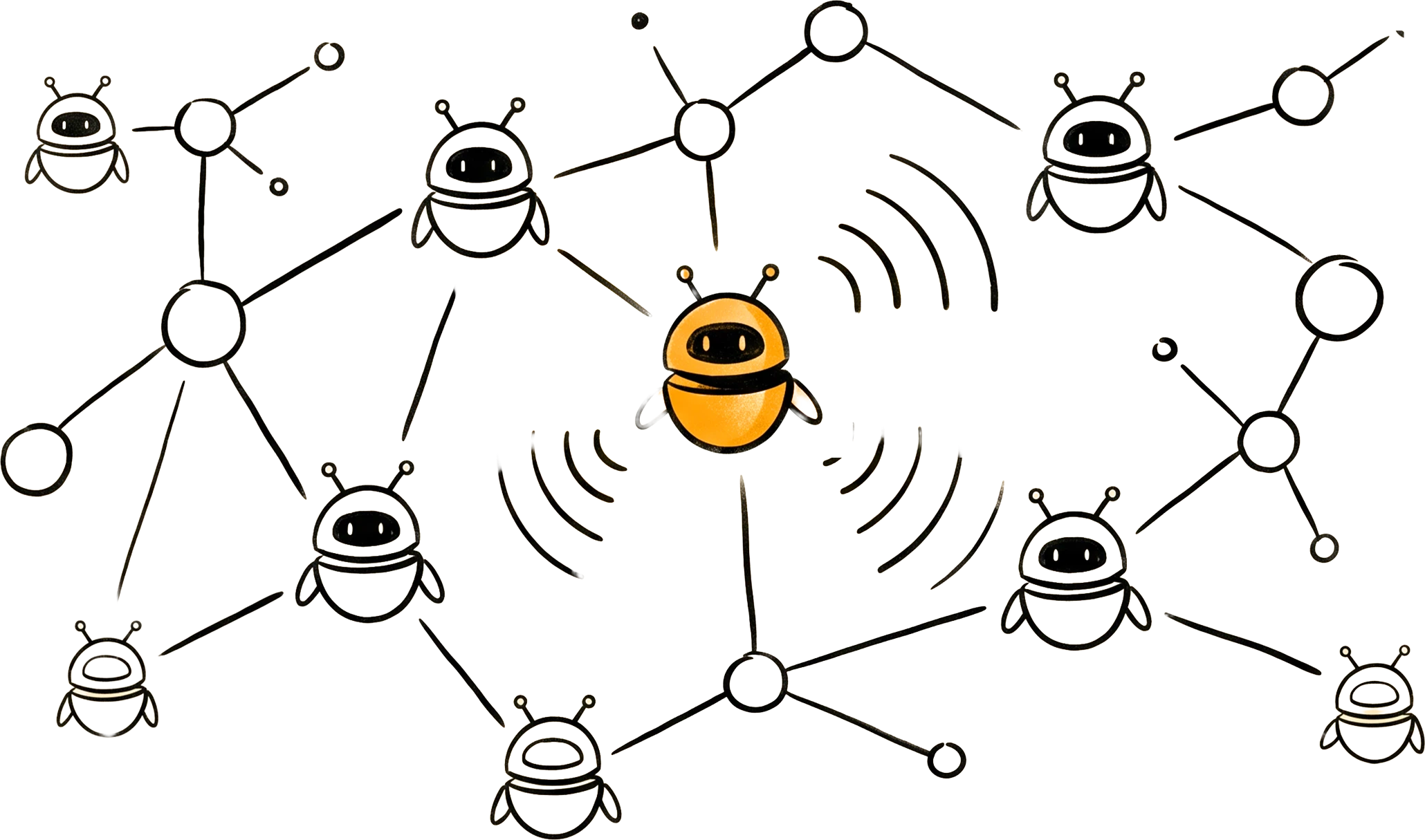
Google has made computer use a built-in tool in Gemini 3.5 Flash. The feature, called “computer use”, makes it possible to build agents that can interact across several platforms.
This capability was previously available only as a standalone Gemini 2.5 computer use model. It is now integrated natively into the main Flash model.
According to Google, this delivers the company’s best performance so far for agentic computer use tasks. The announcement is signed by Mateo Quiros, Product Manager at Google DeepMind.
How the new capability works
Gemini already excelled at function calling and at using built-in tools such as Search and Maps grounding. With computer use, developers can build agents that see, reason and take action.
These agents operate across browser, mobile and desktop environments. The capability opens the way to better performance on long-horizon tasks and enterprise automation.
Cited examples include continuous software testing and knowledge work across professional applications. In one demonstration, Gemini 3.5 Flash analyses the Gemini app and returns a categorized list of features.
In another case, the model audits its own documentation for accessibility issues. Google also shared benchmark results for the model, with reference to computer use evaluations such as OSWorld.
Safety and protective measures
To reduce prompt injection risks in live environments, Google applies targeted adversarial training for computer use in Gemini 3.5 Flash. The company also releases two optional enterprise safeguard systems.
The first allows enterprises to require explicit user confirmation for sensitive or irreversible actions. The second automatically stops tasks if an indirect prompt injection is identified.
Google takes a “defense-in-depth” approach. The company encourages developers to combine these features with secure sandboxing, human-in-the-loop verification and strict access controls.
Further information on the safety measures is available in the dedicated best-practices documentation published by the company.
Availability for developers and enterprises
Google reports that some customers are already driving value with computer use. The companies mentioned include Browserbase, Browser Use and UiPath.
To get started, it is possible to test the capabilities in a demo environment hosted by Browserbase. Google also provides a reference implementation and documentation through the Gemini API and the Gemini Enterprise Agent Platform.
The feature is accessible from both the Gemini API and the Gemini Enterprise Agent Platform, the two main channels indicated for development. In this way the capability reaches individual developers and organizations alike.
The feature aims to support complex workflows and automations that extend over time, with the goal of making agents more reliable in professional contexts.
Original article: blog.google